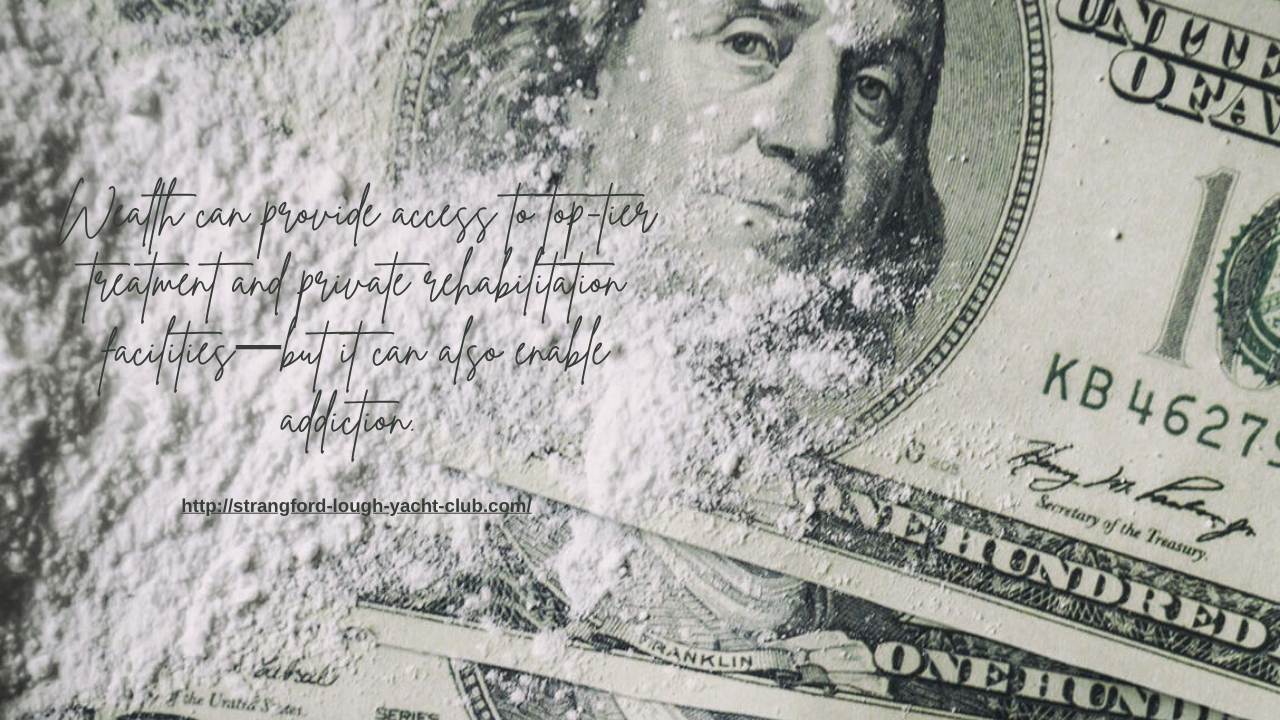
Wealth and success are often seen as the ultimate protections against life’s hardships. But behind the polished exteriors of luxury lifestyles, many of the affluent quietly battle a growing problem: drug and alcohol abuse. While addiction is often stereotyped as an issue for the disadvantaged, the truth is that substance abuse is increasingly prevalent among the wealthy—and the consequences can be just as devastating, if not more insidious.
A Life of Access and Excess
For the wealthy, nearly everything is within reach—exotic vacations, fine dining, designer goods, and premium liquor. But this constant access to indulgence can blur the line between recreation and reliance. In affluent circles, alcohol is often central to socializing: champagne at charity galas, cocktails on private yachts, or expensive wines at dinner parties. What starts as casual or celebratory drinking can gradually turn into a daily necessity.
Likewise, the wealthy often have greater access to prescription medications, stimulants, or illicit drugs such as cocaine or ecstasy. In high-pressure professional or social environments, some turn to substances as a way to stay energized, relieve anxiety, or maintain an image of perfection.
The Hidden Nature of Addiction
Unlike more visible forms of addiction in lower-income communities, substance abuse among the wealthy often goes unnoticed for longer periods. Private doctors, personal staff, and the ability to maintain outward appearances mean that many high-functioning individuals can hide their struggles effectively.
This concealment is both a privilege and a curse. While it allows individuals to continue with their careers and public lives, it also delays recognition of the problem—and the need for help. Many suffer in silence, protected by walls of money, influence, and denial.
The Stigma of Struggling While Successful
One of the biggest barriers to recovery for the wealthy is stigma. In elite social circles, there is often immense pressure to maintain appearances, project success, and avoid showing vulnerability. Admitting to a substance abuse issue can feel like a social or professional death sentence.
There is also an internal conflict that many face: “How can I possibly have a problem when I’ve achieved so much?” This question fuels guilt and shame, preventing individuals from seeking the support they need.
When Money Enables, Not Heals
Wealth can provide access to top-tier treatment and private rehabilitation facilities—but it can also enable addiction. The ability to hire enablers, travel discreetly, or buy silence can keep the addiction alive longer. For some, the resources that should help them recover instead delay the realization that they even need help at all.
Breaking the Silence
The first step in addressing substance abuse among the wealthy is acknowledging that it exists—and that it’s more common than most believe. Addiction does not care about tax brackets. Families, clubs, and communities must foster environments where it is safe to speak openly, seek help, and heal without shame.
True wealth lies in well-being. The high cost of high living isn’t just financial—it can be personal, emotional, and deadly. But with awareness, compassion, and access to the right resources, recovery is not just possible—it’s within reach.