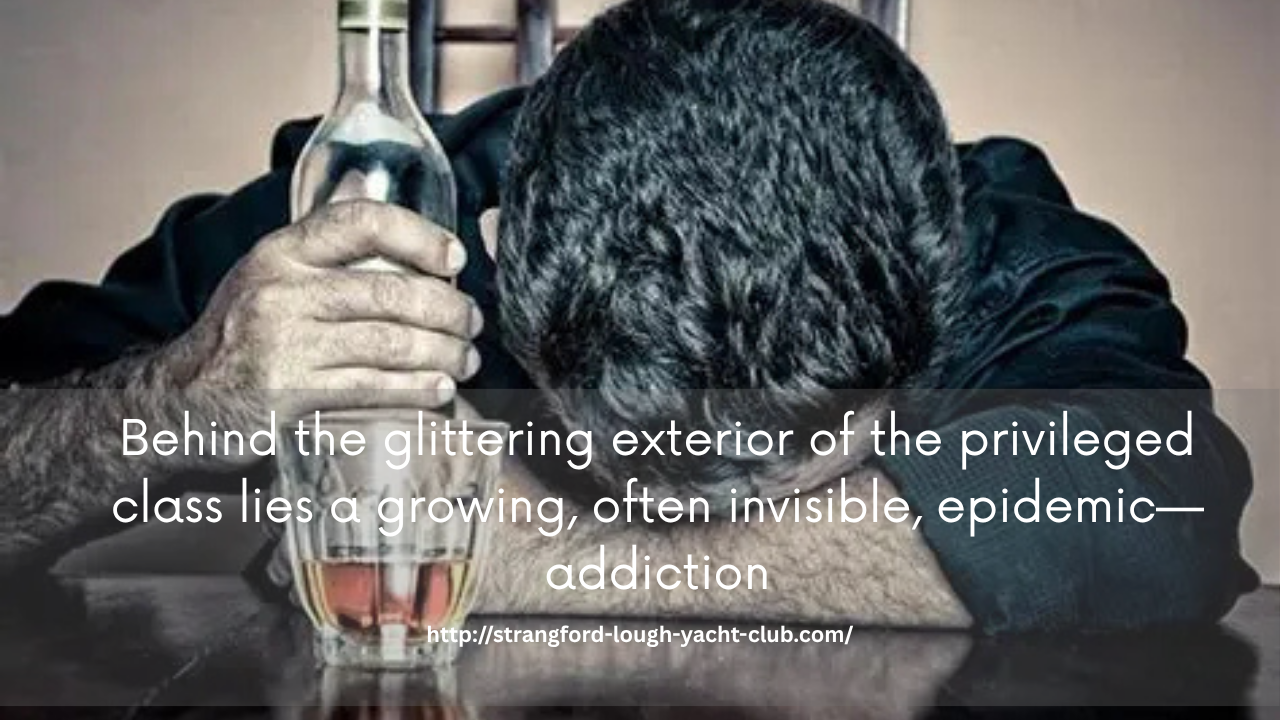
The Price of Privilege: How Affluence Fuels Alcohol and Drug Dependency

We often associate wealth with freedom, comfort, and security. Yet beneath the polished image of success, many affluent individuals quietly battle alcohol and drug dependency. In exclusive social settings like yacht clubs, country clubs, and private gatherings, substance use often blends seamlessly into the culture. What begins as celebration or stress relief can slowly spiral into dependency. At Strangford Lough Yacht Club, we recognize that addiction does not discriminate by income, and those living in privilege often face unique struggles that keep them from seeking help.

When Luxury Becomes a Risk Factor

Addiction in affluent circles looks different from the stereotypes we see in media. Instead of chaos and public decline, it is often hidden behind wealth, status, and influence. These environments present unique risk factors that fuel dependency.

Normalization of Substance Use

In social circles where fine wine, cocktails, and recreational substances are commonplace, frequent indulgence can feel normal. Declining a drink at a gathering can sometimes feel out of place, reinforcing patterns of regular use.

Pressure to Maintain an Image

High-achieving individuals often feel the need to appear composed and successful at all times. Admitting to struggles with addiction can feel like a threat to their reputation, which leads many to suffer in silence.

Isolation and Access

Wealth often provides privacy, but that same privacy can create isolation. Add to that the ease of accessing alcohol and substances discreetly, and the result is a hidden yet escalating problem.

The Mental Health Connection

Substance abuse among the wealthy is rarely just about celebration. Often it is a way to manage deeper struggles like anxiety, depression, or stress. The pressure of maintaining businesses, reputations, or family expectations can be overwhelming. Alcohol and drugs may seem like temporary relief, but they create long-term harm to both physical and mental health.

This is why treatment must go beyond detox. True healing requires addressing the underlying emotional and psychological factors that fuel addiction.

Compassionate and Confidential Recovery Options

At Strangford Lough Yacht Club, we believe every individual deserves care that respects their privacy, dignity, and personal journey. Our addiction recovery programs are designed to meet the unique needs of affluent and high-profile clients.

Our Approach Includes:

  • Inpatient and Outpatient Programs: Structured treatment for those needing immersive care, as well as flexible options for individuals balancing work and family commitments.
  • Holistic Healing: Incorporating wellness practices such as mindfulness, nutrition, and fitness to restore balance in body and mind.
  • Faith-Based Support: For those seeking spiritual grounding, we offer faith-based guidance alongside evidence-based therapies.
  • Individualized Care Plans: Every person’s journey is different, and our team works closely to create personalized treatment pathways.

Breaking the Silence Around Affluent Addiction

The stigma surrounding addiction in wealthy circles prevents many from seeking help. Yet acknowledging the problem is not a sign of weakness, but of strength. Recovery allows individuals to regain control, rebuild relationships, and rediscover peace beyond the pressures of status and privilege.

Take the First Step Today

Addiction may be the hidden cost of privilege, but it does not need to define the future. If you or someone you love is struggling with alcohol or drug dependency, help is available. At Strangford Lough Yacht Club, we provide compassionate, confidential, and comprehensive treatment that supports lasting recovery. Reach out today and take the first step toward freedom, healing, and a healthier life.

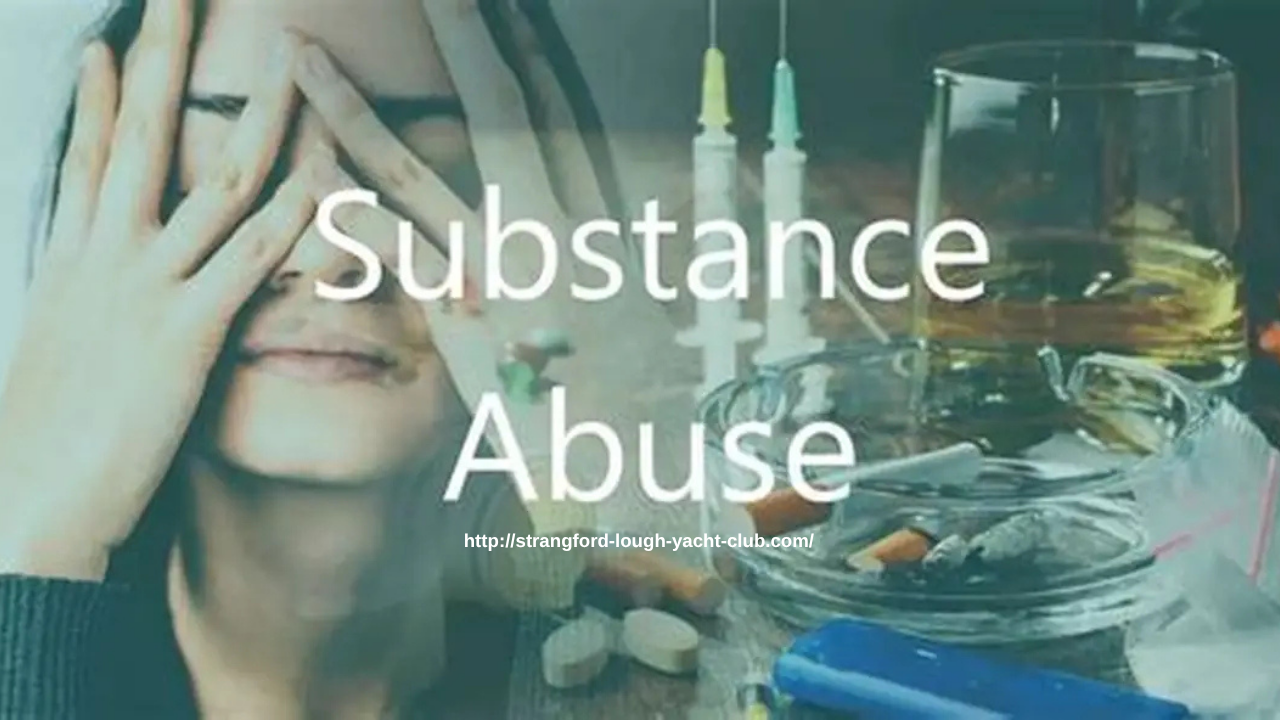
Cocktails and Consequences: Unveiling Addiction in the World of the Wealthy

From glittering yacht parties to elegant country club dinners, wealth often comes with a social calendar full of celebrations. Fine wine flows freely, champagne toasts are routine, and cocktails are part of the culture. Yet behind the sparkling glasses and refined settings lies a growing and often hidden crisis: addiction. At Strangford Lough Yacht Club, we know that substance abuse can affect anyone, regardless of income or lifestyle, and that those in affluent circles face unique challenges when it comes to recognizing and addressing the problem.

The Hidden Nature of Addiction in Affluent Circles

Addiction among the wealthy is rarely the picture people imagine. It is often subtle, masked by success, and hidden behind the veneer of control. The high-functioning professional who manages businesses and family life may still be struggling privately with alcohol or drug dependency. Social drinking may begin as a way to relax or network, but over time it can evolve into a daily necessity rather than a choice.

In exclusive social circles, the normalization of heavy drinking makes it easier for addiction to grow unnoticed. Instead of visible decline, the signs might include increased secrecy, mood changes, or subtle impacts on relationships and work performance.

Why Luxury Can Amplify Risk

1. Social Pressure and Normalization

In yacht clubs, private events, and luxury resorts, drinking is often woven into the fabric of the experience. Declining a drink can feel socially awkward, and repeated exposure to these environments normalizes frequent consumption.

2. Emotional Isolation

Success can be isolating. High-achieving individuals often feel pressure to appear in control, making it difficult to share vulnerabilities. This emotional isolation can push people toward substances as a way to cope with stress, anxiety, or loneliness.

3. Discreet Access to Substances

Wealth brings greater privacy and access. This means substances can be obtained more easily and the consequences hidden more effectively, delaying intervention and treatment.

The Unique Needs of High-Profile Clients in Recovery

At Strangford Lough Yacht Club, we understand that addiction recovery for those in affluent and high-profile communities requires sensitivity, privacy, and a tailored approach. Our programs combine evidence-based therapies with holistic methods to treat the whole person—mind, body, and spirit.

Our Approach Includes:

  • Confidential Care: Privacy is paramount. Our services are designed to ensure complete discretion.
  • Holistic Healing: We incorporate mindfulness, nutrition, fitness, and wellness practices alongside clinical therapies.
  • Faith-Based Support (Optional): For those who value spiritual guidance, we provide faith-based programs to foster deeper healing.
  • Flexible Treatment Options: Whether you need the structure of inpatient care or the adaptability of outpatient programs, we create a plan that fits your life.

Breaking the Cycle and Reclaiming Life

Addiction does not define a person, but it can quietly erode the joy and freedom that wealth and success should bring. Recognizing the problem is the first step. Seeking help is the most important one. At Strangford Lough Yacht Club, we provide a safe, compassionate environment for individuals to confront addiction without judgment and begin the journey to lasting recovery.

Take the First Step Today

If you or someone you love is living with addiction behind the scenes of a high-profile lifestyle, now is the time to act. Contact Strangford Lough Yacht Club to learn more about our comprehensive addiction recovery and mental health services. With the right care, it is possible to move from cocktails and consequences to clarity and freedom.

High Society, Higher Risks: When Luxury Lifestyles Lead to Substance Abuse

In today’s world of wealth and prestige, the trappings of success can often mask deeper struggles. From waterfront estates to exclusive yacht clubs, the luxury lifestyle may seem enviable. But behind the carefully curated image, many high-achieving individuals face a hidden danger: substance abuse. At Strangford Lough Yacht Club, we understand that addiction does not discriminate based on income or status. In fact, the unique pressures and social norms within affluent circles often increase the risk.

The Silent Crisis in Elite Communities

Addiction in high society is often overlooked. Success, status, and stability create a façade that hides pain and dependency. Social drinking is widely accepted in upscale circles, and recreational drug use can be dismissed as harmless fun. But what begins as a way to unwind or fit in can quickly spiral into physical and emotional dependence.

High-functioning individuals are particularly vulnerable. They appear to have everything under control while struggling with mounting anxiety, depression, or trauma beneath the surface. Because they are rarely confronted or questioned, the problem continues unchecked until it reaches a breaking point.

Why Luxury Can Fuel Addiction

1. Normalized Substance Use

In elite social settings, alcohol is part of the culture. Yacht parties, business dinners, and exclusive events often include free-flowing drinks. Saying no can be socially awkward or even questioned. Over time, this normalized behavior leads many to develop a routine that centers around alcohol or drug use.

2. High Expectations and Emotional Isolation

With wealth and influence often comes enormous pressure. High achievers are expected to perform, maintain reputations, and handle everything with grace. These expectations can create emotional isolation. Many turn to substances to escape anxiety, loneliness, or the internal struggle of maintaining a flawless image.

3. Discreet Access to Substances and Care

Affluent individuals often have the means to access prescription drugs or illicit substances discreetly. They also have the resources to cover up the signs of addiction with private staff, travel, and luxury rehab stays that focus on discretion rather than long-term healing.

Understanding the Unique Needs of High-Profile Clients

At Strangford Lough Yacht Club, we recognize that those in luxury environments face unique recovery challenges. Our addiction recovery programs are designed to meet individuals where they are—with compassion, respect, and complete confidentiality.

We offer:

  • Holistic Treatment Approaches: Our care addresses the mind, body, and spirit. We integrate therapies such as yoga, mindfulness, and nutrition alongside clinical treatment.
  • Faith-Based Support (If Desired): We meet individuals at their spiritual level, respecting their beliefs while offering a foundation of healing.
  • Individualized Care Plans: No two journeys are the same. Our treatment is customized to support the personal, professional, and emotional needs of each client.
  • Inpatient and Outpatient Options: Flexibility is essential. Whether you need immersive support or a program that fits into your life, we provide both short- and long-term solutions.

The Path Forward: Choosing Recovery Over Reputation

Recovery is not about weakness. It’s about strength. It’s the decision to reclaim control, to choose health over image, and to find purpose beyond performance. At Strangford Lough Yacht Club, we believe that everyone deserves a chance to heal, no matter how their life looks from the outside.

If you or someone you care about is quietly struggling with addiction in a high-pressure environment, know that help is available. Our team is here to support you with compassion, expertise, and complete discretion.

Contact Us Today

You don’t have to face this alone. Reach out to Strangford Lough Yacht Club to learn more about our recovery services. Together, we can navigate the journey toward lasting freedom and a healthier, more meaningful life.

Sipping in Silence: The Hidden Epidemic of Addiction in Elite Social Circles

In high-end social circles, success is often measured by wealth, influence, and access to luxury. Country clubs, yacht parties, and exclusive galas are the hallmarks of this lifestyle, where champagne flows freely, and cocktails accompany every social engagement. Yet behind the glittering exterior of the privileged class lies a growing, often invisible, epidemic—addiction.

Addiction among the wealthy doesn’t always look like the public imagines. Unlike the stereotypical image of addiction portrayed in the media, substance abuse in elite communities often hides behind designer clothes, business accomplishments, and picture-perfect family images. Many of those who struggle are “high-functioning addicts,” able to maintain careers and social status while privately battling drug and alcohol dependence.

The Culture of Overindulgence

In affluent environments, overindulgence is not only accepted but frequently encouraged. Celebrations, business deals, and social gatherings revolve around expensive wines, exclusive liquors, and designer cocktails. Saying no to a drink in these settings can feel socially awkward, leading many to participate even when they’d rather not. Over time, this constant exposure and participation can lead to habitual use, eventually spiraling into addiction.

Unlike casual drinking, which is controlled and infrequent, addiction creeps in quietly. What starts as a social drink to relax can become a daily necessity to cope with stress, loneliness, or pressure to maintain a perfect image.

Prescription Drug Abuse in High Circles

Alcohol isn’t the only substance quietly fueling the crisis. Prescription drug misuse is also prevalent in elite circles. Many professionals rely on stimulants like Adderall to boost productivity or anti-anxiety medications like Xanax to calm nerves in high-pressure environments. Access to private physicians and discreet healthcare makes obtaining these drugs easier, often without raising suspicion.

This blend of alcohol and prescription drug use can be particularly dangerous, both physically and emotionally. It can lead to accidental overdoses, mental health struggles, and relationship breakdowns—all while appearing to function normally in public life.

Why the Problem Stays Hidden

The stigma surrounding addiction in the upper class prevents many from seeking help. There’s a fear of tarnishing reputations, losing social standing, or damaging business relationships. As a result, many suffer in silence, afraid to break the unspoken rule of maintaining appearances at all costs.

Additionally, wealth can delay the consequences of addiction. Personal drivers, assistants, and private care services can mask the physical and logistical impacts of substance abuse for much longer than in the general population, further entrenching the problem.

Bringing the Issue to Light

Solving this crisis starts with acknowledging that addiction doesn’t discriminate by income or social class. Elite communities must foster environments where it’s safe to talk about addiction without fear of judgment. Clubs, private organizations, and families should provide access to confidential counseling, peer support, and education about the risks of substance abuse.

Sipping in silence is no longer an option. By addressing addiction openly and compassionately, affluent communities can help their members find recovery before addiction claims their health, relationships, or lives.

Beneath the Surface: The Hidden Addiction Epidemic in Luxury Clubs

Luxury clubs—whether country clubs framed by emerald fairways, yacht clubs bobbing on sunlit harbors, or exclusive city lounges behind velvet ropes—are synonymous with privilege, leisure, and status. But beneath the curated elegance and champagne toasts lies a less glamorous reality: a growing addiction epidemic sweeping these gilded environments. Hidden by wealth and discretion, substance abuse and compulsive behaviors proliferate where few care to look.

The Culture of Curated Indulgence

At the heart of every luxury club is an unspoken promise: revelry without limits. Toasts with top‑shelf spirits, celebratory champagne showers, and designer cocktails are woven into the social fabric. A round of golf often ends with a whiskey neat; a sunset sail concludes with bottles of rosé. In these settings, overconsumption is not only tolerated—it’s expected. This normalization blurs the line between social pleasure and dependency, setting the stage for addiction to flourish.

High‑Functioning Addiction Behind Closed Doors

One of the most insidious facets of the epidemic is its invisibility. Wealth and influence allow high‑functioning individuals to mask their struggles. Executives, entrepreneurs, and socialites maintain flawless reputations and impeccable performance—while privately battling mounting dependencies on alcohol, prescription medications, or illicit substances. Discreet access to private physicians, luxury rehabilitation clinics, and personal staff ensures that warning signs stay hidden, often until crisis strikes.

Beyond Alcohol: A Spectrum of Dependencies

While alcohol remains the most visible vice, other addictions are equally pervasive:

  • Prescription Drugs: High achievers under immense pressure often lean on stimulants like Adderall to stay sharp, or sedatives like benzodiazepines to unwind.
  • Cocaine: Once a status symbol, cocaine still holds sway in elite circles for its reputation as a “day drug”—promising energy, confidence, and sociability.
  • Gambling: Casual bets on golf matches escalate into high‑stakes poker games and private casino nights, fueling a cycle of wins, losses, and compulsive chase behaviors.

Each addiction carries unique risks, but they share a common barrier: the belief that money can solve everything. In reality, wealth often prolongs addiction’s grip.

The Stigma of Seeking Help

In tightly knit luxury communities, preserving image is paramount. Admitting to a substance use problem can feel tantamount to social exile. Fear of gossip, professional fallout, or even loss of membership slams shut the door on open dialogue. As a result, many suffer in isolation, their pain invisible to friends who assume that wealth equals well‑being.

Toward a Culture of Compassion and Recovery

Breaking the hidden epidemic requires targeted actions:

  1. Discreet Support Services: Clubs can contract confidential counseling and coaching services, ensuring members have a safe avenue to seek help.
  2. Awareness Initiatives: Educational seminars—led by addiction specialists—can demystify symptoms and treatment, reframing addiction as a medical condition rather than a moral failing.
  3. Peer‑Led Support Networks: Trusted member‑volunteers can champion empathetic conversations, reducing stigma and encouraging those struggling to step forward.

Luxury should never mean loneliness. By lifting the veil on addiction and fostering a culture of understanding, exclusive clubs can transform from enablers of excess into sanctuaries of support—helping members reclaim their lives before addiction claims them.

The High Cost of High Living: Drug and Alcohol Abuse Among the Wealthy

Wealth and success are often seen as the ultimate protections against life’s hardships. But behind the polished exteriors of luxury lifestyles, many of the affluent quietly battle a growing problem: drug and alcohol abuse. While addiction is often stereotyped as an issue for the disadvantaged, the truth is that substance abuse is increasingly prevalent among the wealthy—and the consequences can be just as devastating, if not more insidious.

A Life of Access and Excess

For the wealthy, nearly everything is within reach—exotic vacations, fine dining, designer goods, and premium liquor. But this constant access to indulgence can blur the line between recreation and reliance. In affluent circles, alcohol is often central to socializing: champagne at charity galas, cocktails on private yachts, or expensive wines at dinner parties. What starts as casual or celebratory drinking can gradually turn into a daily necessity.

Likewise, the wealthy often have greater access to prescription medications, stimulants, or illicit drugs such as cocaine or ecstasy. In high-pressure professional or social environments, some turn to substances as a way to stay energized, relieve anxiety, or maintain an image of perfection.

The Hidden Nature of Addiction

Unlike more visible forms of addiction in lower-income communities, substance abuse among the wealthy often goes unnoticed for longer periods. Private doctors, personal staff, and the ability to maintain outward appearances mean that many high-functioning individuals can hide their struggles effectively.

This concealment is both a privilege and a curse. While it allows individuals to continue with their careers and public lives, it also delays recognition of the problem—and the need for help. Many suffer in silence, protected by walls of money, influence, and denial.

The Stigma of Struggling While Successful

One of the biggest barriers to recovery for the wealthy is stigma. In elite social circles, there is often immense pressure to maintain appearances, project success, and avoid showing vulnerability. Admitting to a substance abuse issue can feel like a social or professional death sentence.

There is also an internal conflict that many face: “How can I possibly have a problem when I’ve achieved so much?” This question fuels guilt and shame, preventing individuals from seeking the support they need.

When Money Enables, Not Heals

Wealth can provide access to top-tier treatment and private rehabilitation facilities—but it can also enable addiction. The ability to hire enablers, travel discreetly, or buy silence can keep the addiction alive longer. For some, the resources that should help them recover instead delay the realization that they even need help at all.

Breaking the Silence

The first step in addressing substance abuse among the wealthy is acknowledging that it exists—and that it’s more common than most believe. Addiction does not care about tax brackets. Families, clubs, and communities must foster environments where it is safe to speak openly, seek help, and heal without shame.

True wealth lies in well-being. The high cost of high living isn’t just financial—it can be personal, emotional, and deadly. But with awareness, compassion, and access to the right resources, recovery is not just possible—it’s within reach.

Addiction in the Upper Class: When Social Drinking Turns Into a Crisis

Addiction does not discriminate—it affects people across all socioeconomic levels, including those in the upper class. Yet, when it strikes among society’s elite, it often hides behind a curtain of wealth, power, and sophistication. In affluent circles, what begins as harmless social drinking can quietly evolve into a serious crisis, unnoticed and unaddressed until the consequences become too severe to ignore.

The Allure of Social Drinking

In upper-class society, alcohol is deeply embedded in the culture. Business meetings often take place over wine; social events begin with cocktails; and vacations are filled with celebratory champagne toasts. Drinking is more than just a pastime—it’s a ritual, a symbol of success, and a marker of social inclusion.

Because it’s so normalized, the early signs of dependency are easy to overlook. A few extra glasses at dinner, a daily drink to unwind, or frequent late-night toasts are rarely questioned in these environments. In fact, excessive drinking is often masked by humor, status, or the assumption that a successful person can’t possibly have a problem.

High-Functioning, High-Risk

Many individuals in the upper class struggling with alcohol use fall into the category of “high-functioning alcoholics.” They maintain careers, manage households, and meet social obligations—all while quietly battling an increasing dependence on alcohol. Their success serves as both a shield and a barrier to getting help. To the outside world, they appear in control. Inside, however, the emotional and physical toll of addiction continues to grow.

Because the upper class often has access to more privacy and better resources, the outward signs of addiction can be more easily concealed. Private drivers, assistants, and home staff may inadvertently enable the problem, helping maintain the appearance of normalcy even as things spiral behind closed doors.

The Pressure to Maintain Appearances

The stigma surrounding addiction in wealthy communities adds another layer of complexity. Admitting to a drinking problem can be perceived as a weakness or a threat to one’s reputation, business, or family name. This fear of judgment often keeps individuals from seeking help, pushing them deeper into denial and isolation.

Moreover, those in the upper class may feel a sense of guilt or shame about their struggles—wondering how they could possibly suffer when they have “everything.” This internal conflict makes it even harder to speak up and seek treatment.

The Path Forward

Addressing addiction in the upper class starts with changing the narrative. Addiction is not a failure of character—it is a medical condition that requires support, compassion, and treatment. Normalizing mental health discussions in elite circles, offering discreet resources, and encouraging peer support can break the silence that keeps so many trapped.

Luxury rehab centers and private therapists offer tailored treatment, but access alone is not enough. There must also be a cultural shift that values health and vulnerability over image and perfection.

When social drinking crosses the line into addiction, it is not a reflection of personal failure, but an opportunity for change. No amount of wealth can shield someone from the impact of substance use, but with awareness and support, recovery is always within reach.

From Champagne to Cocaine: The Dark Side of Elite Social Clubs

Elite social clubs—whether nestled in the heart of the city or perched along the waterfront—are often seen as playgrounds for the wealthy. With their tailored dress codes, top-shelf bars, and carefully curated memberships, these clubs project exclusivity, luxury, and control. But behind the glimmer of champagne glasses and the hum of polite conversation lies a growing problem that is seldom discussed: substance abuse. From alcohol to hard drugs like cocaine, addiction has crept into these polished environments, cloaked by privilege and social status.

A Culture Built on Celebration and Escape

Luxury and celebration go hand in hand in elite clubs. Members gather over champagne to toast business wins, sip single malt scotch after a round of golf, or drink cocktails aboard private yachts during sunset cruises. Alcohol is not just present—it’s expected. The culture subtly reinforces the idea that indulgence is part of success, and saying no can sometimes feel more uncomfortable than joining in.

But when every occasion is a reason to drink—and every drink flows freely—dependency can quickly take root. For some, the social lubricant becomes a daily crutch, used not just to unwind but to function.

Cocaine: The Unspoken Secret

While alcohol is visibly celebrated, other substances lurk in the shadows. Cocaine, in particular, has made a quiet resurgence in high-status circles. It offers a temporary escape from pressure, a burst of energy for networking, or a way to maintain an image of control and vitality. In environments that reward confidence, charisma, and endurance, cocaine can seem like a shortcut—until it becomes a trap.

Because elite club members often have access to discreet suppliers and private spaces, drug use is easily concealed. And since consequences are rarely immediate—at least not financially—many users convince themselves they’re in control. But addiction doesn’t discriminate based on wealth or social standing. It erodes from the inside out, no matter how polished the surface appears.

High-Functioning, Deeply Struggling

Many of those grappling with addiction in elite clubs are what experts call “high-functioning addicts.” They maintain successful careers, uphold social appearances, and continue to provide for their families—all while battling a growing dependency. Their lifestyle helps mask the severity of their problem, making it harder for loved ones—or even themselves—to recognize the danger.

This concealment is reinforced by a culture that values privacy and discretion above all. No one wants to disturb the façade of perfection, and those who suffer often do so in silence.

Creating Space for Honesty and Help

To address this hidden crisis, elite social clubs must begin by acknowledging that addiction is not a moral failing or a personal weakness. It is a medical condition that affects people from all walks of life—including the wealthy and successful. Clubs can take meaningful steps by providing access to discreet support services, hosting educational sessions on substance abuse, and fostering a culture where vulnerability is not taboo.

From champagne to cocaine, the line between celebration and self-destruction is often thinner than it seems. By lifting the curtain on addiction and offering real support, elite social clubs can protect not just their image—but the lives of their members.

Affluence and Addiction: The Secret Crisis in Yacht and Country Clubs

Yacht clubs and country clubs are often seen as the epitome of luxury—places where the world’s most successful individuals gather to relax, network, and celebrate their achievements. Gleaming boats, sprawling golf courses, and fine dining create an aura of privilege and ease. Yet, beneath this polished surface, a hidden crisis is unfolding. Addiction—whether to alcohol, drugs, or gambling—is quietly taking root among the affluent members of these exclusive communities.

A Culture of Indulgence

Wealth often brings access to the finest things in life: premium liquors, exotic vacations, high-stakes games, and powerful prescription medications. In yacht and country clubs, indulgence isn’t just accepted—it’s expected. Social events revolve around cocktail hours, champagne brunches, and elaborate parties where alcohol flows freely.

For many, drinking is seen as a harmless social activity, a way to bond and unwind. However, the normalization of heavy drinking can blur the line between celebration and dependency. When overindulgence becomes routine, addiction can quietly set in without immediate notice from friends or even family members.

Substance Abuse Behind Closed Doors

In these elite spaces, substance abuse often remains invisible. Unlike in other environments where addiction might quickly disrupt daily life, affluent individuals can shield their struggles through wealth and privilege. Private doctors, luxury rehab centers, and personal staff help conceal the problem, allowing many to function at a high level despite their addictions.

Prescription drug misuse is especially common. Under the immense pressure to maintain success and appearances, many turn to stimulants to boost performance or sedatives to manage stress. Because these substances are prescribed by professionals, their misuse can be easily rationalized and hidden.

The Role of Gambling

While country clubs are known for golf and yachting, they also foster a strong culture of gambling. Friendly bets on the golf course can escalate to high-stakes poker nights and substantial wagers. The thrill of winning—and the fear of losing face—can drive some members into compulsive gambling behaviors. Yet, because losses can be absorbed financially, the underlying addiction often remains undetected until personal or emotional damage surfaces.

The Silence of Stigma

Despite their resources, many affluent individuals are reluctant to seek help. In tight-knit social circles, reputation is everything. Admitting to a substance use problem risks not only personal embarrassment but also potential damage to business relationships and social standing. This fear keeps many trapped in silence, suffering alone while outwardly maintaining the image of success.

Breaking the Cycle

The first step to addressing addiction in yacht and country clubs is recognizing that affluence does not protect against substance abuse—it often hides it. Clubs and members alike must work to create environments where seeking help is viewed as a sign of strength rather than weakness.

Discreet counseling services, private intervention options, and educational initiatives can help lift the stigma surrounding addiction. By acknowledging the issue and offering compassionate support, these exclusive communities can help their members reclaim their lives before addiction claims them.

Wealth can buy many comforts, but it cannot buy immunity from addiction. It’s time to open the conversation behind the gates of privilege—and offer a way forward.

Golf, Gambling, and Gin: Unveiling Addiction in Prestigious Clubs

Prestigious country clubs and exclusive social circles have long been associated with refined lifestyles—think polished golf courses, sparkling gin cocktails, and high-stakes poker nights in opulent lounges. But beneath this elegant surface lies a growing concern that often goes unnoticed: addiction. From alcohol and gambling to prescription drugs, addiction is quietly taking hold in these elite environments, shielded by wealth and social status.

The Normalization of Excess

For many members of prestigious clubs, indulgence is the norm. Afternoon golf games are followed by drinks at the clubhouse bar, and celebrations often involve toasts with expensive spirits. The culture encourages participation—ordering a round of cocktails or placing bets on a friendly golf match is more than accepted; it’s expected. But over time, these patterns of behavior can slide from leisure into dependency.

Alcohol, in particular, is a staple of club life. Gin and tonics flow as freely as conversations, and the pressure to join in can be significant. Declining a drink might raise eyebrows or lead to questions, making it harder for those with growing concerns about their consumption to set boundaries or abstain.

The Hidden Danger of Gambling

While golf is the centerpiece of many prestigious clubs, it’s often paired with informal betting—wagers on games, side bets, or even participation in private poker nights. For some, these activities are just harmless fun. But for others, the rush of risking money becomes addictive.

Unlike casinos, where gambling addiction is more readily acknowledged and regulated, the gambling that occurs in private clubs is rarely discussed. There are no warning signs posted, no staff trained to identify problematic behavior, and no resources offered for those who may be struggling. This silence allows gambling problems to develop in the shadows, often only surfacing after significant financial or emotional damage has occurred.

Prescription Drugs in High-Pressure Lives

Many members of these clubs are high achievers—business leaders, executives, entrepreneurs—who carry immense professional responsibilities. To maintain their edge, some turn to prescription stimulants like Adderall, or use anti-anxiety medications and sleeping pills to manage stress. The accessibility of private physicians and the ability to obtain prescriptions discreetly can make it easy to develop a dependency without raising alarms.

Why It’s Harder to See

Addiction in prestigious clubs doesn’t always look like the stereotypes we’re used to. It’s often masked by success, wealth, and well-curated appearances. High-functioning individuals can maintain their careers, social lives, and family obligations while quietly battling addiction. Their resources allow them to keep up appearances far longer, making it harder for friends or family to recognize the signs.

Creating Space for Solutions

To address addiction in prestigious clubs, the first step is acknowledgment. Club leadership and members need to foster a culture where it’s safe to speak about substance use and gambling concerns. Confidential support systems, access to private counseling, and awareness initiatives can make a powerful difference.

Ultimately, addiction doesn’t discriminate—it simply adapts to its environment. In the polished halls of elite clubs, it wears a different face but causes the same pain. By unveiling the problem, these institutions have the opportunity to become part of the solution.