Beneath the Surface: The Hidden Addiction Epidemic in Luxury Clubs

Luxury clubs—whether country clubs framed by emerald fairways, yacht clubs bobbing on sunlit harbors, or exclusive city lounges behind velvet ropes—are synonymous with privilege, leisure, and status. But beneath the curated elegance and champagne toasts lies a less glamorous reality: a growing addiction epidemic sweeping these gilded environments. Hidden by wealth and discretion, substance abuse and compulsive behaviors proliferate where few care to look.

The Culture of Curated Indulgence

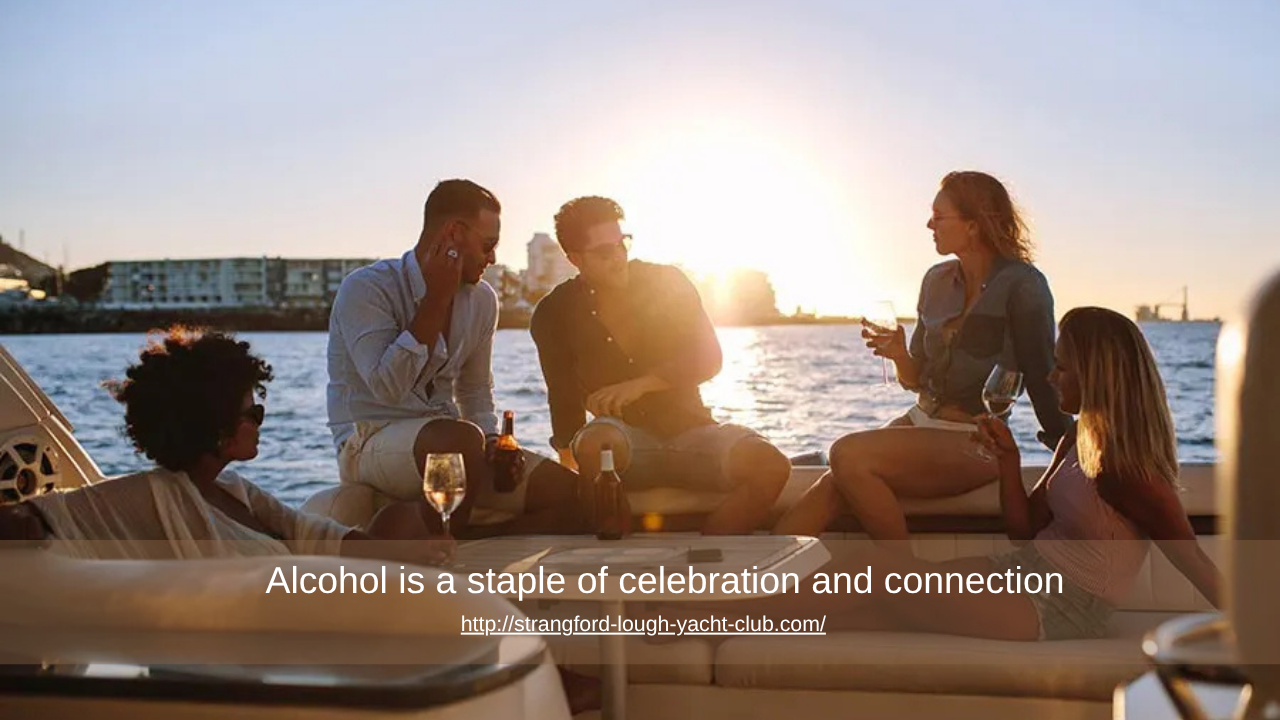
At the heart of every luxury club is an unspoken promise: revelry without limits. Toasts with top‑shelf spirits, celebratory champagne showers, and designer cocktails are woven into the social fabric. A round of golf often ends with a whiskey neat; a sunset sail concludes with bottles of rosé. In these settings, overconsumption is not only tolerated—it’s expected. This normalization blurs the line between social pleasure and dependency, setting the stage for addiction to flourish.

High‑Functioning Addiction Behind Closed Doors

One of the most insidious facets of the epidemic is its invisibility. Wealth and influence allow high‑functioning individuals to mask their struggles. Executives, entrepreneurs, and socialites maintain flawless reputations and impeccable performance—while privately battling mounting dependencies on alcohol, prescription medications, or illicit substances. Discreet access to private physicians, luxury rehabilitation clinics, and personal staff ensures that warning signs stay hidden, often until crisis strikes.

Beyond Alcohol: A Spectrum of Dependencies

While alcohol remains the most visible vice, other addictions are equally pervasive:

  • Prescription Drugs: High achievers under immense pressure often lean on stimulants like Adderall to stay sharp, or sedatives like benzodiazepines to unwind.
  • Cocaine: Once a status symbol, cocaine still holds sway in elite circles for its reputation as a “day drug”—promising energy, confidence, and sociability.
  • Gambling: Casual bets on golf matches escalate into high‑stakes poker games and private casino nights, fueling a cycle of wins, losses, and compulsive chase behaviors.

Each addiction carries unique risks, but they share a common barrier: the belief that money can solve everything. In reality, wealth often prolongs addiction’s grip.

The Stigma of Seeking Help

In tightly knit luxury communities, preserving image is paramount. Admitting to a substance use problem can feel tantamount to social exile. Fear of gossip, professional fallout, or even loss of membership slams shut the door on open dialogue. As a result, many suffer in isolation, their pain invisible to friends who assume that wealth equals well‑being.

Toward a Culture of Compassion and Recovery

Breaking the hidden epidemic requires targeted actions:

  1. Discreet Support Services: Clubs can contract confidential counseling and coaching services, ensuring members have a safe avenue to seek help.
  2. Awareness Initiatives: Educational seminars—led by addiction specialists—can demystify symptoms and treatment, reframing addiction as a medical condition rather than a moral failing.
  3. Peer‑Led Support Networks: Trusted member‑volunteers can champion empathetic conversations, reducing stigma and encouraging those struggling to step forward.

Luxury should never mean loneliness. By lifting the veil on addiction and fostering a culture of understanding, exclusive clubs can transform from enablers of excess into sanctuaries of support—helping members reclaim their lives before addiction claims them.

The High Cost of High Living: Drug and Alcohol Abuse Among the Wealthy

Wealth and success are often seen as the ultimate protections against life’s hardships. But behind the polished exteriors of luxury lifestyles, many of the affluent quietly battle a growing problem: drug and alcohol abuse. While addiction is often stereotyped as an issue for the disadvantaged, the truth is that substance abuse is increasingly prevalent among the wealthy—and the consequences can be just as devastating, if not more insidious.

A Life of Access and Excess

For the wealthy, nearly everything is within reach—exotic vacations, fine dining, designer goods, and premium liquor. But this constant access to indulgence can blur the line between recreation and reliance. In affluent circles, alcohol is often central to socializing: champagne at charity galas, cocktails on private yachts, or expensive wines at dinner parties. What starts as casual or celebratory drinking can gradually turn into a daily necessity.

Likewise, the wealthy often have greater access to prescription medications, stimulants, or illicit drugs such as cocaine or ecstasy. In high-pressure professional or social environments, some turn to substances as a way to stay energized, relieve anxiety, or maintain an image of perfection.

The Hidden Nature of Addiction

Unlike more visible forms of addiction in lower-income communities, substance abuse among the wealthy often goes unnoticed for longer periods. Private doctors, personal staff, and the ability to maintain outward appearances mean that many high-functioning individuals can hide their struggles effectively.

This concealment is both a privilege and a curse. While it allows individuals to continue with their careers and public lives, it also delays recognition of the problem—and the need for help. Many suffer in silence, protected by walls of money, influence, and denial.

The Stigma of Struggling While Successful

One of the biggest barriers to recovery for the wealthy is stigma. In elite social circles, there is often immense pressure to maintain appearances, project success, and avoid showing vulnerability. Admitting to a substance abuse issue can feel like a social or professional death sentence.

There is also an internal conflict that many face: “How can I possibly have a problem when I’ve achieved so much?” This question fuels guilt and shame, preventing individuals from seeking the support they need.

When Money Enables, Not Heals

Wealth can provide access to top-tier treatment and private rehabilitation facilities—but it can also enable addiction. The ability to hire enablers, travel discreetly, or buy silence can keep the addiction alive longer. For some, the resources that should help them recover instead delay the realization that they even need help at all.

Breaking the Silence

The first step in addressing substance abuse among the wealthy is acknowledging that it exists—and that it’s more common than most believe. Addiction does not care about tax brackets. Families, clubs, and communities must foster environments where it is safe to speak openly, seek help, and heal without shame.

True wealth lies in well-being. The high cost of high living isn’t just financial—it can be personal, emotional, and deadly. But with awareness, compassion, and access to the right resources, recovery is not just possible—it’s within reach.

Addiction in the Upper Class: When Social Drinking Turns Into a Crisis

Addiction does not discriminate—it affects people across all socioeconomic levels, including those in the upper class. Yet, when it strikes among society’s elite, it often hides behind a curtain of wealth, power, and sophistication. In affluent circles, what begins as harmless social drinking can quietly evolve into a serious crisis, unnoticed and unaddressed until the consequences become too severe to ignore.

The Allure of Social Drinking

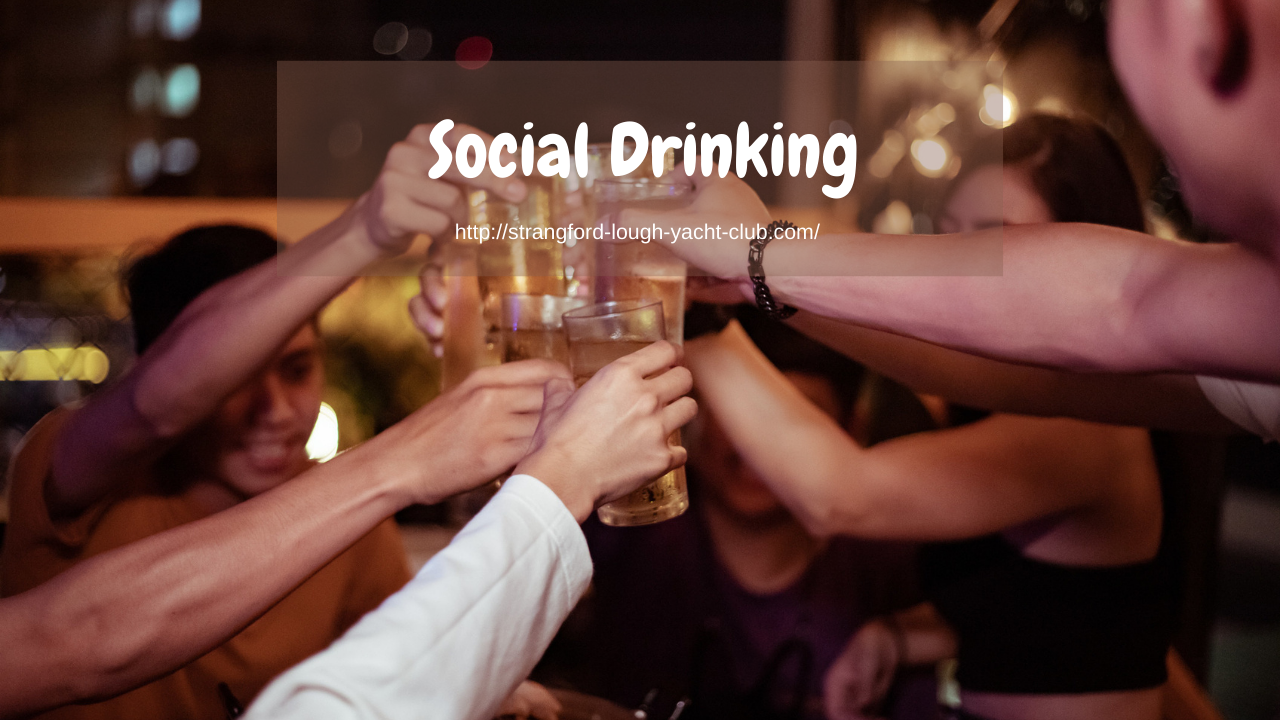
In upper-class society, alcohol is deeply embedded in the culture. Business meetings often take place over wine; social events begin with cocktails; and vacations are filled with celebratory champagne toasts. Drinking is more than just a pastime—it’s a ritual, a symbol of success, and a marker of social inclusion.

Because it’s so normalized, the early signs of dependency are easy to overlook. A few extra glasses at dinner, a daily drink to unwind, or frequent late-night toasts are rarely questioned in these environments. In fact, excessive drinking is often masked by humor, status, or the assumption that a successful person can’t possibly have a problem.

High-Functioning, High-Risk

Many individuals in the upper class struggling with alcohol use fall into the category of “high-functioning alcoholics.” They maintain careers, manage households, and meet social obligations—all while quietly battling an increasing dependence on alcohol. Their success serves as both a shield and a barrier to getting help. To the outside world, they appear in control. Inside, however, the emotional and physical toll of addiction continues to grow.

Because the upper class often has access to more privacy and better resources, the outward signs of addiction can be more easily concealed. Private drivers, assistants, and home staff may inadvertently enable the problem, helping maintain the appearance of normalcy even as things spiral behind closed doors.

The Pressure to Maintain Appearances

The stigma surrounding addiction in wealthy communities adds another layer of complexity. Admitting to a drinking problem can be perceived as a weakness or a threat to one’s reputation, business, or family name. This fear of judgment often keeps individuals from seeking help, pushing them deeper into denial and isolation.

Moreover, those in the upper class may feel a sense of guilt or shame about their struggles—wondering how they could possibly suffer when they have “everything.” This internal conflict makes it even harder to speak up and seek treatment.

The Path Forward

Addressing addiction in the upper class starts with changing the narrative. Addiction is not a failure of character—it is a medical condition that requires support, compassion, and treatment. Normalizing mental health discussions in elite circles, offering discreet resources, and encouraging peer support can break the silence that keeps so many trapped.

Luxury rehab centers and private therapists offer tailored treatment, but access alone is not enough. There must also be a cultural shift that values health and vulnerability over image and perfection.

When social drinking crosses the line into addiction, it is not a reflection of personal failure, but an opportunity for change. No amount of wealth can shield someone from the impact of substance use, but with awareness and support, recovery is always within reach.

From Champagne to Cocaine: The Dark Side of Elite Social Clubs

Elite social clubs—whether nestled in the heart of the city or perched along the waterfront—are often seen as playgrounds for the wealthy. With their tailored dress codes, top-shelf bars, and carefully curated memberships, these clubs project exclusivity, luxury, and control. But behind the glimmer of champagne glasses and the hum of polite conversation lies a growing problem that is seldom discussed: substance abuse. From alcohol to hard drugs like cocaine, addiction has crept into these polished environments, cloaked by privilege and social status.

A Culture Built on Celebration and Escape

Luxury and celebration go hand in hand in elite clubs. Members gather over champagne to toast business wins, sip single malt scotch after a round of golf, or drink cocktails aboard private yachts during sunset cruises. Alcohol is not just present—it’s expected. The culture subtly reinforces the idea that indulgence is part of success, and saying no can sometimes feel more uncomfortable than joining in.

But when every occasion is a reason to drink—and every drink flows freely—dependency can quickly take root. For some, the social lubricant becomes a daily crutch, used not just to unwind but to function.

Cocaine: The Unspoken Secret

While alcohol is visibly celebrated, other substances lurk in the shadows. Cocaine, in particular, has made a quiet resurgence in high-status circles. It offers a temporary escape from pressure, a burst of energy for networking, or a way to maintain an image of control and vitality. In environments that reward confidence, charisma, and endurance, cocaine can seem like a shortcut—until it becomes a trap.

Because elite club members often have access to discreet suppliers and private spaces, drug use is easily concealed. And since consequences are rarely immediate—at least not financially—many users convince themselves they’re in control. But addiction doesn’t discriminate based on wealth or social standing. It erodes from the inside out, no matter how polished the surface appears.

High-Functioning, Deeply Struggling

Many of those grappling with addiction in elite clubs are what experts call “high-functioning addicts.” They maintain successful careers, uphold social appearances, and continue to provide for their families—all while battling a growing dependency. Their lifestyle helps mask the severity of their problem, making it harder for loved ones—or even themselves—to recognize the danger.

This concealment is reinforced by a culture that values privacy and discretion above all. No one wants to disturb the façade of perfection, and those who suffer often do so in silence.

Creating Space for Honesty and Help

To address this hidden crisis, elite social clubs must begin by acknowledging that addiction is not a moral failing or a personal weakness. It is a medical condition that affects people from all walks of life—including the wealthy and successful. Clubs can take meaningful steps by providing access to discreet support services, hosting educational sessions on substance abuse, and fostering a culture where vulnerability is not taboo.

From champagne to cocaine, the line between celebration and self-destruction is often thinner than it seems. By lifting the curtain on addiction and offering real support, elite social clubs can protect not just their image—but the lives of their members.

Affluence and Addiction: The Secret Crisis in Yacht and Country Clubs

Yacht clubs and country clubs are often seen as the epitome of luxury—places where the world’s most successful individuals gather to relax, network, and celebrate their achievements. Gleaming boats, sprawling golf courses, and fine dining create an aura of privilege and ease. Yet, beneath this polished surface, a hidden crisis is unfolding. Addiction—whether to alcohol, drugs, or gambling—is quietly taking root among the affluent members of these exclusive communities.

A Culture of Indulgence

Wealth often brings access to the finest things in life: premium liquors, exotic vacations, high-stakes games, and powerful prescription medications. In yacht and country clubs, indulgence isn’t just accepted—it’s expected. Social events revolve around cocktail hours, champagne brunches, and elaborate parties where alcohol flows freely.

For many, drinking is seen as a harmless social activity, a way to bond and unwind. However, the normalization of heavy drinking can blur the line between celebration and dependency. When overindulgence becomes routine, addiction can quietly set in without immediate notice from friends or even family members.

Substance Abuse Behind Closed Doors

In these elite spaces, substance abuse often remains invisible. Unlike in other environments where addiction might quickly disrupt daily life, affluent individuals can shield their struggles through wealth and privilege. Private doctors, luxury rehab centers, and personal staff help conceal the problem, allowing many to function at a high level despite their addictions.

Prescription drug misuse is especially common. Under the immense pressure to maintain success and appearances, many turn to stimulants to boost performance or sedatives to manage stress. Because these substances are prescribed by professionals, their misuse can be easily rationalized and hidden.

The Role of Gambling

While country clubs are known for golf and yachting, they also foster a strong culture of gambling. Friendly bets on the golf course can escalate to high-stakes poker nights and substantial wagers. The thrill of winning—and the fear of losing face—can drive some members into compulsive gambling behaviors. Yet, because losses can be absorbed financially, the underlying addiction often remains undetected until personal or emotional damage surfaces.

The Silence of Stigma

Despite their resources, many affluent individuals are reluctant to seek help. In tight-knit social circles, reputation is everything. Admitting to a substance use problem risks not only personal embarrassment but also potential damage to business relationships and social standing. This fear keeps many trapped in silence, suffering alone while outwardly maintaining the image of success.

Breaking the Cycle

The first step to addressing addiction in yacht and country clubs is recognizing that affluence does not protect against substance abuse—it often hides it. Clubs and members alike must work to create environments where seeking help is viewed as a sign of strength rather than weakness.

Discreet counseling services, private intervention options, and educational initiatives can help lift the stigma surrounding addiction. By acknowledging the issue and offering compassionate support, these exclusive communities can help their members reclaim their lives before addiction claims them.

Wealth can buy many comforts, but it cannot buy immunity from addiction. It’s time to open the conversation behind the gates of privilege—and offer a way forward.

Luxury and Vice: Navigating Substance Abuse in the Yachting World

The yachting world has long been synonymous with luxury, adventure, and the freedom to explore the open seas. From exclusive marinas to lavish parties aboard multimillion-dollar vessels, it represents a lifestyle that many aspire to but few can attain. However, beneath the glittering surface of champagne toasts and sun-soaked decks lies a darker reality: the prevalence of substance abuse among those who live, work, and socialize within this elite community.

The Allure of Excess

The culture of yachting is deeply intertwined with opulence and indulgence. Yachts are often associated with celebration, and these celebrations frequently feature alcohol and, in some cases, drugs. The allure of excess in the yachting world is hard to resist, as the pressure to maintain an image of carefree luxury can lead to behaviors that normalize substance abuse.

For yacht owners and their guests, the constant flow of alcohol is a staple of onboard hospitality. Social gatherings often revolve around drinking, and the casual availability of drugs at high-profile events further fuels this culture. What starts as recreational use can escalate into dependency, especially when it becomes a routine aspect of life at sea.

The Challenges Faced by Crew Members

While the spotlight often falls on yacht owners and their affluent guests, the issue of substance abuse also extends to the crew. Life as a yacht crew member is demanding, with long hours, high expectations, and limited personal freedom. The stress of working in such an environment, coupled with the temptation of easy access to alcohol and drugs, can make substance use an attractive coping mechanism.

Additionally, the transient nature of yachting life—frequent travel, short-term contracts, and minimal opportunities for long-term support networks—can exacerbate the problem. Crew members may turn to substances as a way to combat loneliness, boredom, or the pressure to perform. Without adequate support or intervention, this behavior can lead to addiction.

Privacy and the Culture of Silence

One of the reasons substance abuse remains a hidden issue in the yachting world is the culture of privacy and discretion. Yachts are private spaces, shielded from public scrutiny, and what happens onboard often stays onboard. This culture of silence can make it difficult to address the problem, as those struggling with addiction may feel isolated or unable to seek help without risking their reputation or livelihood.

The stigma surrounding addiction also plays a significant role. In a world where image and status are everything, admitting to a substance abuse problem can feel like a threat to one’s social standing or professional career.

Breaking the Cycle

To combat substance abuse in the yachting world, a shift in culture is essential. Yacht owners and management companies can play a crucial role by fostering a supportive and health-conscious environment. This includes offering resources for mental health and addiction support, establishing clear policies on substance use, and creating opportunities for crew members to engage in activities that promote well-being.

Education and awareness campaigns can also help to challenge the stigma of addiction and encourage open conversations about the issue. By normalizing discussions about mental health and substance abuse, the yachting community can begin to address the problem head-on.

Conclusion

The yachting world may be a symbol of luxury and freedom, but it is not immune to the challenges of substance abuse. By acknowledging the problem and taking proactive steps to support those affected, this elite community can chart a course toward a healthier and more responsible future.

Drugs, Drinks, and Yachts: The Secret Addiction Crisis at Elite Marinas

Elite marinas, long regarded as havens of sophistication and luxury, embody the epitome of exclusivity. With their glittering yachts, waterfront views, and lavish events, these spaces seem worlds away from the struggles of everyday life. Yet, behind the polished exterior lies a troubling and often overlooked issue: a growing addiction crisis fueled by a culture of excess, peer pressure, and unchecked privilege.

The Hidden Epidemic

Addiction within elite marinas is not often discussed, largely because it is shrouded in secrecy and shielded by wealth. The very nature of these exclusive spaces allows substance abuse to flourish in relative obscurity. Alcohol flows freely at yacht parties, and recreational drug use is often seen as an acceptable, even glamorous, indulgence. For some, the occasional drink or substance use is harmless fun. For others, it becomes a dangerous cycle of dependency.

This crisis is particularly insidious because it rarely conforms to the stereotypes associated with addiction. Members of these communities are typically affluent and successful, which can mask the severity of their struggles. High-functioning addiction is common, where individuals maintain appearances while grappling with underlying dependency. The stigma of addiction is compounded by the pressure to uphold a flawless image, making it even harder for those affected to seek help.

The Role of Yacht Culture

Yacht culture itself plays a significant role in perpetuating substance abuse. Social gatherings at marinas often revolve around opulence and indulgence, with alcohol serving as a centerpiece. For many, these parties provide an escape from the pressures of high-stakes careers or personal challenges. However, the permissive environment can blur the line between recreational use and dependency.

Drugs, too, are a part of this culture, often introduced as a way to enhance the party atmosphere or cope with stress. Cocaine, ecstasy, and prescription medications are commonly abused substances within these circles. The accessibility of such drugs, combined with the normalization of their use, creates an environment where addiction can take root unnoticed.

Peer Pressure and Social Status

Within elite marinas, social standing is paramount, and this often drives individuals to participate in behaviors they might otherwise avoid. For newcomers or those vying for acceptance, conforming to the norms of the group can feel essential. This can mean indulging in heavy drinking or drug use to fit in, even when it conflicts with personal values or health.

For others, substance use becomes a means of maintaining their position in the social hierarchy. The pressure to appear relaxed, carefree, and in control can lead to reliance on substances that provide temporary relief from stress or anxiety. Over time, this reliance can spiral into addiction.

Breaking the Cycle

Addressing the addiction crisis at elite marinas requires a multifaceted approach. Awareness campaigns, education on the risks of substance abuse, and access to support services are critical. Marinas can also create environments that encourage moderation by offering alcohol-free events and promoting healthy alternatives to drug use.

Furthermore, fostering open dialogue about addiction is essential. Reducing the stigma surrounding substance abuse can make it easier for individuals to seek help without fear of judgment.

Conclusion

While elite marinas represent a lifestyle of luxury and freedom, they also harbor a hidden addiction crisis that demands attention. By acknowledging the problem and fostering a culture of awareness and support, these exclusive communities can help their members navigate the storm of addiction and find a path to recovery.

Anchored in Addiction: Uncovering Substance Abuse at the Yacht Club

Yacht clubs, synonymous with luxury, leisure, and social prestige, present a world of exclusivity and opulence. However, beneath the pristine sails and champagne toasts, these elite gatherings often foster an environment ripe for substance abuse. Yacht club parties, characterized by their lavish nature and carefree attitudes, can unintentionally serve as a breeding ground for addiction. The combination of wealth, status, and social pressure creates a perfect storm, allowing substance abuse to flourish, hidden behind a veneer of respectability.

The Culture of Excess

Yacht club parties are known for their grandeur and excess, with alcohol often flowing freely and other substances available for those in the know. For many members, these gatherings represent an escape from the pressures of everyday life, where indulgence is not just accepted but encouraged. In this environment, the lines between recreational use and abuse can blur. What starts as a casual drink or two can quickly spiral into a dependence on alcohol or drugs, especially when the atmosphere normalizes such behavior.

The culture of excess within yacht clubs also fosters a sense of invincibility. Members, often affluent and successful, may feel immune to the consequences of substance abuse, believing their wealth and status shield them from the same problems that affect others. This mentality can lead to dangerous patterns of behavior, where substance use becomes a regular part of social life, and addiction takes root unnoticed.

Social Pressure and the Desire to Fit In

For some yacht club members, the pressure to fit in with the elite crowd can drive them toward substance abuse. Yacht clubs are often insular communities, where reputation and social standing are paramount. Members may feel compelled to keep up with their peers, both in terms of lifestyle and behavior. At parties, this can translate into a willingness to partake in excessive drinking or drug use, even if they would not normally engage in such activities.

The desire to belong can be especially strong for newer or younger members, who may feel they need to prove themselves within the social hierarchy. In these cases, substance abuse can be seen as a way to gain acceptance, even at the cost of personal well-being. Over time, this behavior can escalate, leading to dependency and addiction.

The Role of Privacy and Secrecy

One of the most insidious aspects of substance abuse within yacht club culture is the level of privacy and secrecy afforded to members. Yacht clubs are private, members-only spaces, where discretion is expected and enforced. This privacy can make it easier for members to hide their substance abuse from the outside world, and even from those closest to them. The stigma surrounding addiction may further encourage secrecy, preventing individuals from seeking help or acknowledging the problem.

Additionally, the transient nature of yacht club life, with members often traveling between different clubs and destinations, can make it difficult to recognize patterns of substance abuse. A member who struggles with addiction may appear functional or in control, while hiding their issues behind the glamorous facade of yacht club life.

Addressing the Problem

To combat substance abuse within yacht clubs, it is essential to foster a culture of awareness and support. Clubs should offer resources for members struggling with addiction and promote healthy, responsible behavior at social events. By acknowledging the issue and providing avenues for help, yacht clubs can create an environment where members feel safe addressing their problems without fear of judgment or ostracization.

In conclusion, while yacht club parties may seem like the epitome of luxury and leisure, they can also fuel substance abuse, with devastating consequences. By recognizing the signs of addiction and promoting a culture of support, yacht clubs can help prevent the destructive cycle of excess and dependency from taking hold within their ranks.

Navigating Addiction Recovery in the Clubhouse: A New Era of Support?

In recent years, social media platforms have evolved from mere communication tools into spaces where communities can form, connect, and support one another in ways that were once unimaginable. One of the most intriguing developments in this realm is the use of Clubhouse—a voice-based social networking app—as a platform for addiction recovery support. As the pandemic and its aftermath have increased the need for accessible mental health and addiction resources, Clubhouse has emerged as a new frontier in the battle against addiction.

Clubhouse is unique in its structure. Unlike traditional social media platforms, which often rely on text or visual content, Clubhouse is built around audio conversations. Users can join or create “rooms” to discuss a wide range of topics, from business and technology to health and wellness. These rooms are not recorded, creating a sense of privacy and intimacy that encourages open dialogue. For many, this has made Clubhouse an appealing space for discussing sensitive topics like addiction and recovery.

The app’s real-time, interactive nature offers a level of immediacy that is particularly valuable for those in recovery. Traditional support groups, such as Alcoholics Anonymous (AA) or Narcotics Anonymous (NA), have long relied on in-person meetings to provide peer support. However, the COVID-19 pandemic forced many of these groups to move online, often using platforms like Zoom. While effective, these platforms can feel impersonal or rigid, lacking the spontaneity of face-to-face interactions. Clubhouse, on the other hand, replicates the casual, conversational atmosphere of in-person meetings, allowing users to engage in real-time discussions, ask questions, and share experiences in a fluid and dynamic environment.

One of the most significant advantages of using Clubhouse for addiction recovery is the sense of community it fosters. Many users report that the platform helps them feel less isolated in their struggles. By joining rooms dedicated to recovery, individuals can connect with others who understand what they are going through, offering and receiving support in a way that feels both organic and empowering. The diversity of rooms also means that users can find a space that resonates with their specific needs, whether they are looking for advice, motivation, or simply a place to share their journey.

Moreover, Clubhouse has attracted experts in addiction recovery, including therapists, counselors, and life coaches, who use the platform to offer guidance and support. These professionals can provide valuable insights and answer questions, making expert advice more accessible to a broader audience. The ability to interact directly with experts can be a game-changer for those who may not have access to traditional therapy or counseling.

However, it is essential to acknowledge the potential drawbacks of using Clubhouse for addiction recovery. The platform’s open nature means that anyone can join or create rooms, which could lead to misinformation or harmful advice being shared. Additionally, the lack of moderation in some rooms might result in discussions that are not always supportive or constructive. Users need to be discerning in the spaces they choose to engage with and critical of the information they receive.

Despite these challenges, Clubhouse represents a promising new era of support for those navigating addiction recovery. Its combination of real-time interaction, community-building, and accessibility offers a unique resource for individuals seeking help. As more people turn to digital spaces for support, Clubhouse could play a crucial role in shaping the future of addiction recovery, providing a lifeline for those who need it most.

Signs that an executive has a mental health problem

Mental health problem is a phenomenon that can affect anyone irrespective of status, age, nationality, etc. If someone like an executive is struggling with mental health issues in the workplace, it can be bad for them, and the business.

Therefore, learning how to identify mental health problems is instrumental to providing people suffering from them with help. Here are some of the signs that tell you that an executive has a mental health issue.

Free Woman Wearing Gray Notch Lapel Suit Jacket Stock Photo

Unhealthy/rough appearance

One of the ways to tell that mental health problem is at play in an executive’s life is when they have a rough and unhealthy appearance. You might notice that their hygiene habits will decline gradually, particularly because they pay less attention to how they look.

Mood swings

Executives with mental health problems are likely to experience mood swings which can cause problems between them and their colleagues.

They will experience inconsistent emotions that might seem unusual or strange. Similarly, you will notice that they are easily angered, frustrated, or irritated for little or no reason.

Decrease in productivity

Another sign that tells the presence of a mental health problem is when their productivity is not up to expectations.

You will notice that the executive may be unable to meet up with work-related tasks, and this is largely due to a lack of focus or concentration. They might spend several hours on a particular task, which might cause a strain on their overall output.

Isolation from social situations

Executives struggling with mental health problems are likely to distance themselves from people any time they have the chance.

You may notice that they will become withdrawn for no reason and that they will begin to treasure their personal space so much. They might begin to complain of loneliness even when they have people around them.

Substance abuse

Some executives who are struggling with mental health problems might want to self-medicate, and in the process, they experiment with drugs and alcohol. In the long run, they abuse these substances to the point where they become addicted to them.