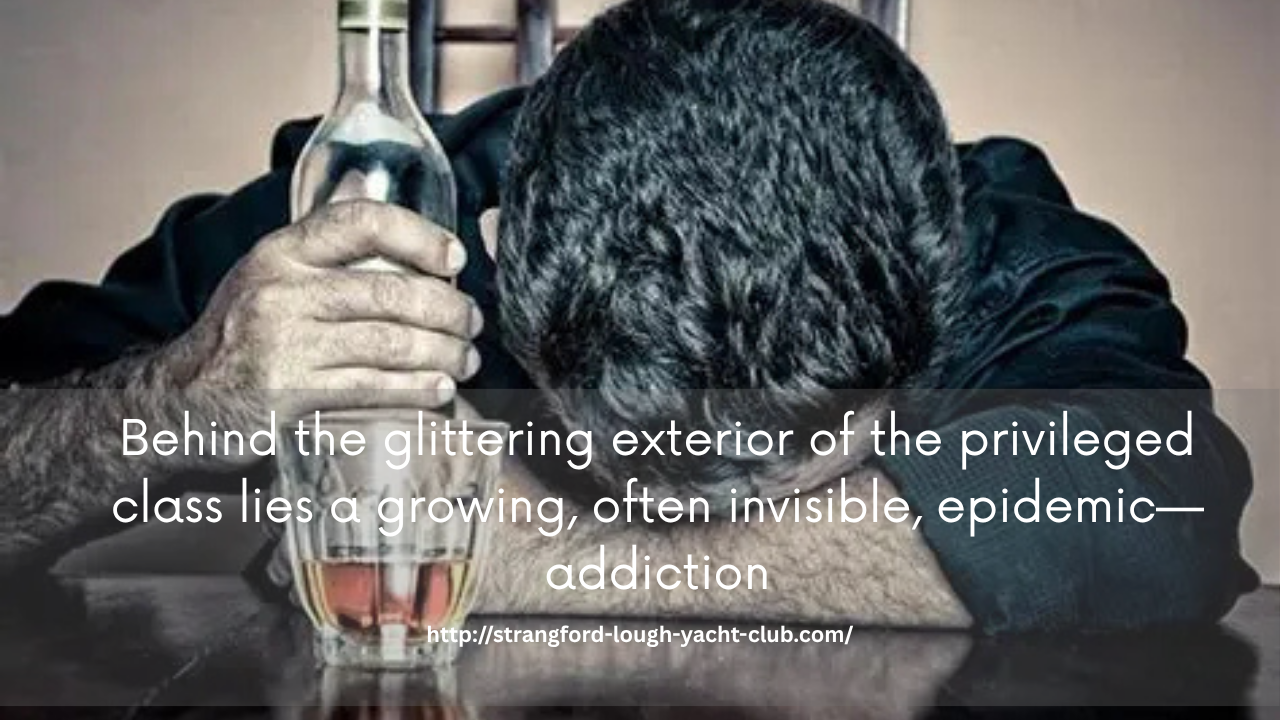
In high-end social circles, success is often measured by wealth, influence, and access to luxury. Country clubs, yacht parties, and exclusive galas are the hallmarks of this lifestyle, where champagne flows freely, and cocktails accompany every social engagement. Yet behind the glittering exterior of the privileged class lies a growing, often invisible, epidemic—addiction.
Addiction among the wealthy doesn’t always look like the public imagines. Unlike the stereotypical image of addiction portrayed in the media, substance abuse in elite communities often hides behind designer clothes, business accomplishments, and picture-perfect family images. Many of those who struggle are “high-functioning addicts,” able to maintain careers and social status while privately battling drug and alcohol dependence.
The Culture of Overindulgence
In affluent environments, overindulgence is not only accepted but frequently encouraged. Celebrations, business deals, and social gatherings revolve around expensive wines, exclusive liquors, and designer cocktails. Saying no to a drink in these settings can feel socially awkward, leading many to participate even when they’d rather not. Over time, this constant exposure and participation can lead to habitual use, eventually spiraling into addiction.
Unlike casual drinking, which is controlled and infrequent, addiction creeps in quietly. What starts as a social drink to relax can become a daily necessity to cope with stress, loneliness, or pressure to maintain a perfect image.
Prescription Drug Abuse in High Circles
Alcohol isn’t the only substance quietly fueling the crisis. Prescription drug misuse is also prevalent in elite circles. Many professionals rely on stimulants like Adderall to boost productivity or anti-anxiety medications like Xanax to calm nerves in high-pressure environments. Access to private physicians and discreet healthcare makes obtaining these drugs easier, often without raising suspicion.
This blend of alcohol and prescription drug use can be particularly dangerous, both physically and emotionally. It can lead to accidental overdoses, mental health struggles, and relationship breakdowns—all while appearing to function normally in public life.
Why the Problem Stays Hidden
The stigma surrounding addiction in the upper class prevents many from seeking help. There’s a fear of tarnishing reputations, losing social standing, or damaging business relationships. As a result, many suffer in silence, afraid to break the unspoken rule of maintaining appearances at all costs.
Additionally, wealth can delay the consequences of addiction. Personal drivers, assistants, and private care services can mask the physical and logistical impacts of substance abuse for much longer than in the general population, further entrenching the problem.
Bringing the Issue to Light
Solving this crisis starts with acknowledging that addiction doesn’t discriminate by income or social class. Elite communities must foster environments where it’s safe to talk about addiction without fear of judgment. Clubs, private organizations, and families should provide access to confidential counseling, peer support, and education about the risks of substance abuse.
Sipping in silence is no longer an option. By addressing addiction openly and compassionately, affluent communities can help their members find recovery before addiction claims their health, relationships, or lives.